 alin.elena.re
Project Overview
Fun, modular, open-source electronics & mechanical keyboard playground
What This Project Is
- Fun & experimental — designed for learning electronics, KiCad routing, and firmware architecture.
- Educational — documented schematics, SPI shift-register matrix expansion, and QMK/ZMK configs.
- Functional daily drivers — full ISO keycap compatibility on comfortable ortholinear grids.
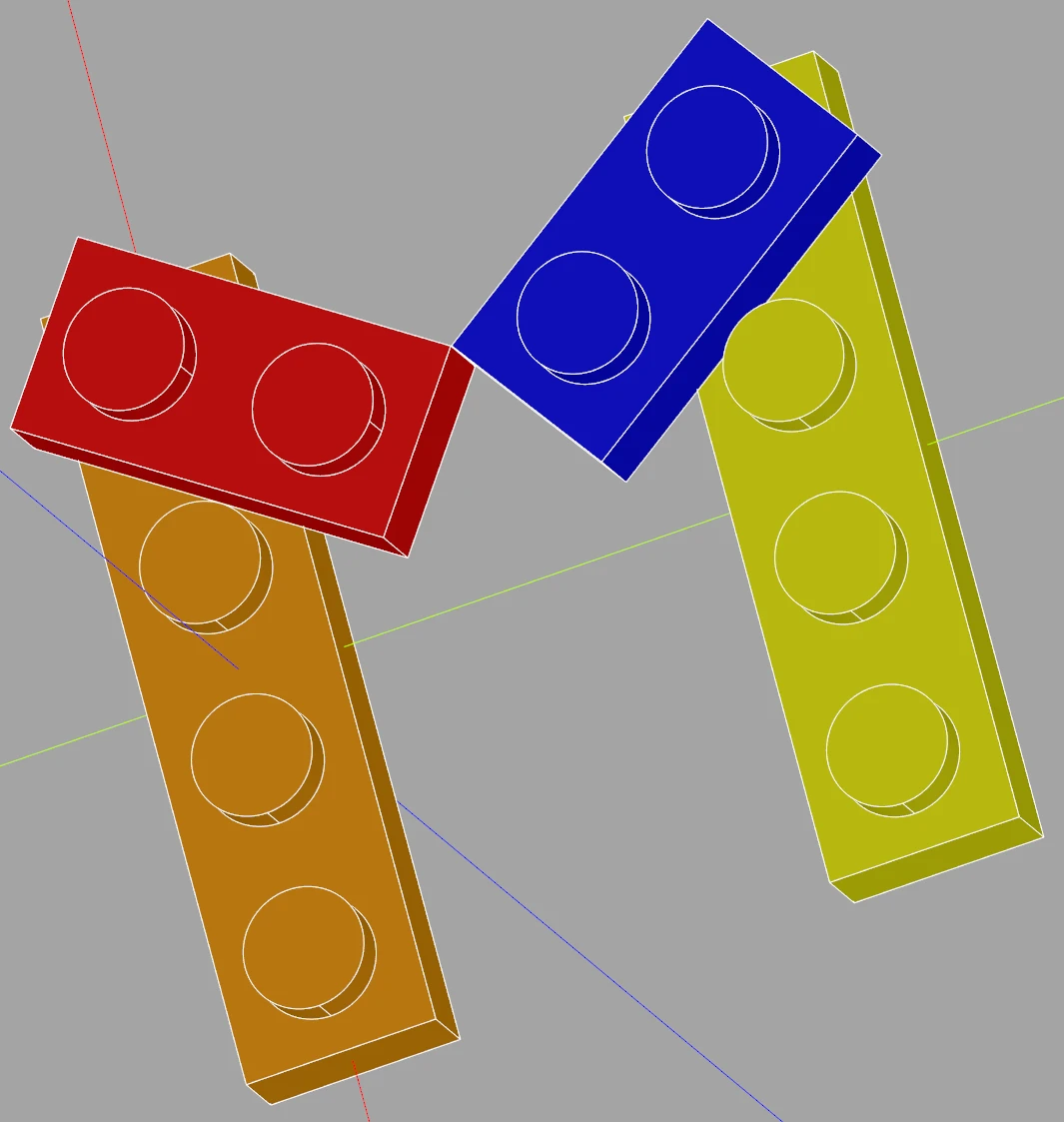
- Modular LEGO Cases — PCBs drilled to official LEGO stud pitch (1.6mm), snapping onto standard LEGO plates.
Maker Playground, Not Commercial Endgame
This project is an evolving maker journey rather than a static commercial kit. Every revision explores a new microcontroller (STM32, RP2040, nRF52840), display technology (OLED, WeAct e-ink, Sharp Memory, ST7735 IPS LCD), or matrix scanning circuit.
Designed Keyboards
Flagship ortholinear keyboards in modular LEGO enclosures
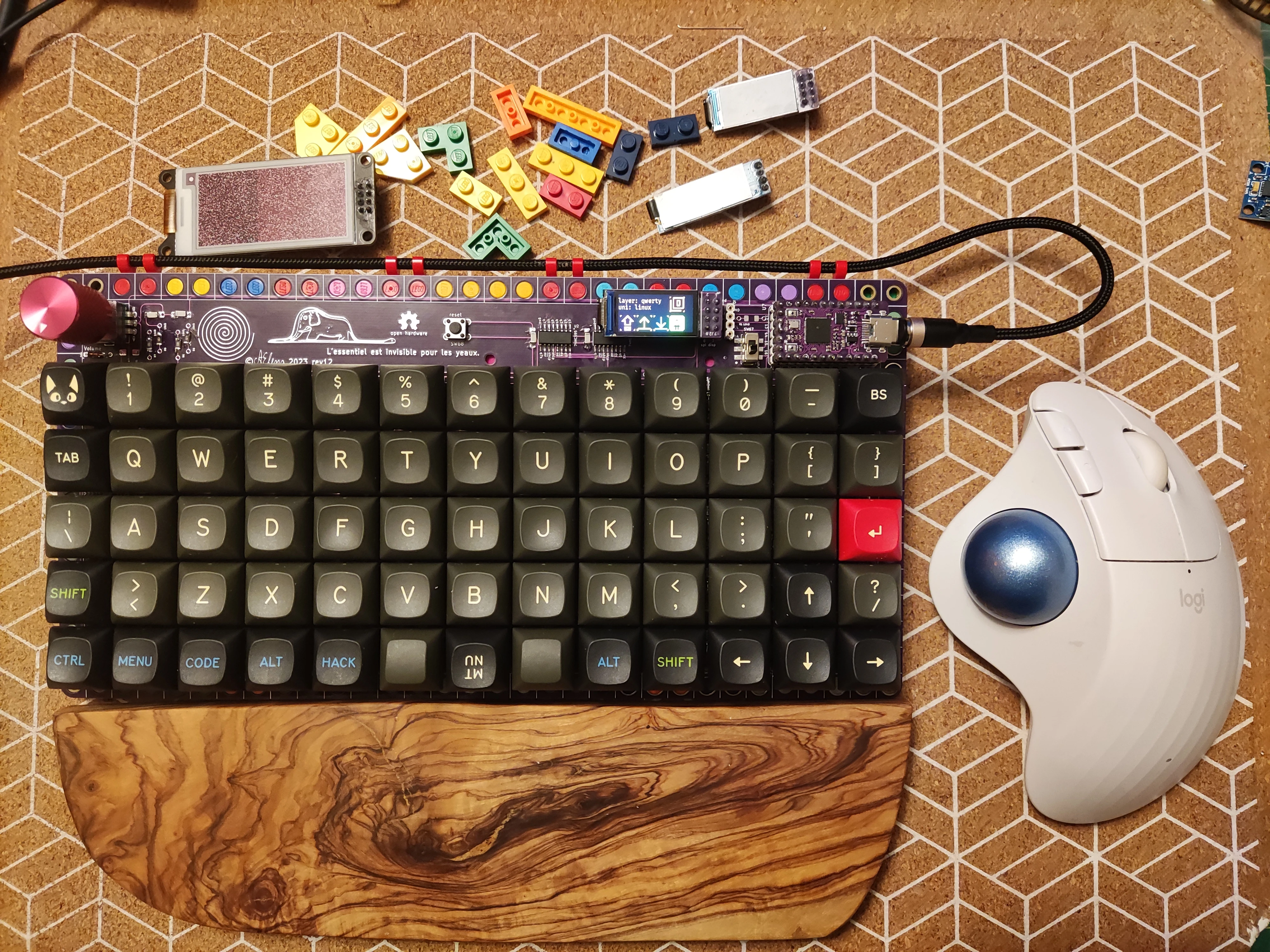
m66 (5×14 Ortho)
Flagship 5×14 ortholinear keyboard with dedicated encoder column, per-key RGB, and modular OLED, e-ink, Sharp Memory, or IPS LCD displays.
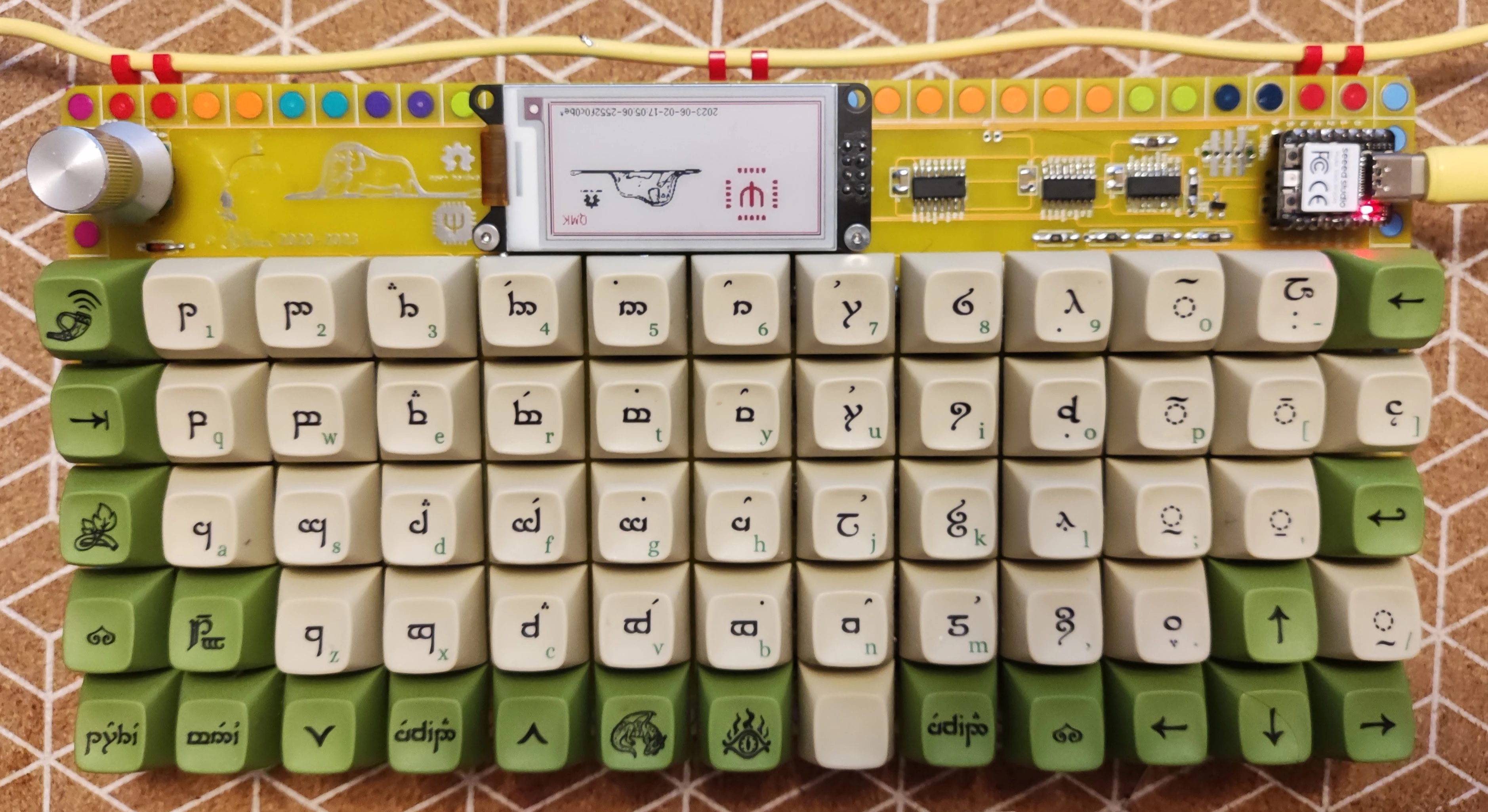
m65 (5×13 Ortho)
Original 65-key ISO-friendly LEGO ortholinear keyboard evolved across 11 revisions — from BluePill to Raspberry Pi Pico and Seeed XIAO SPI shift registers.
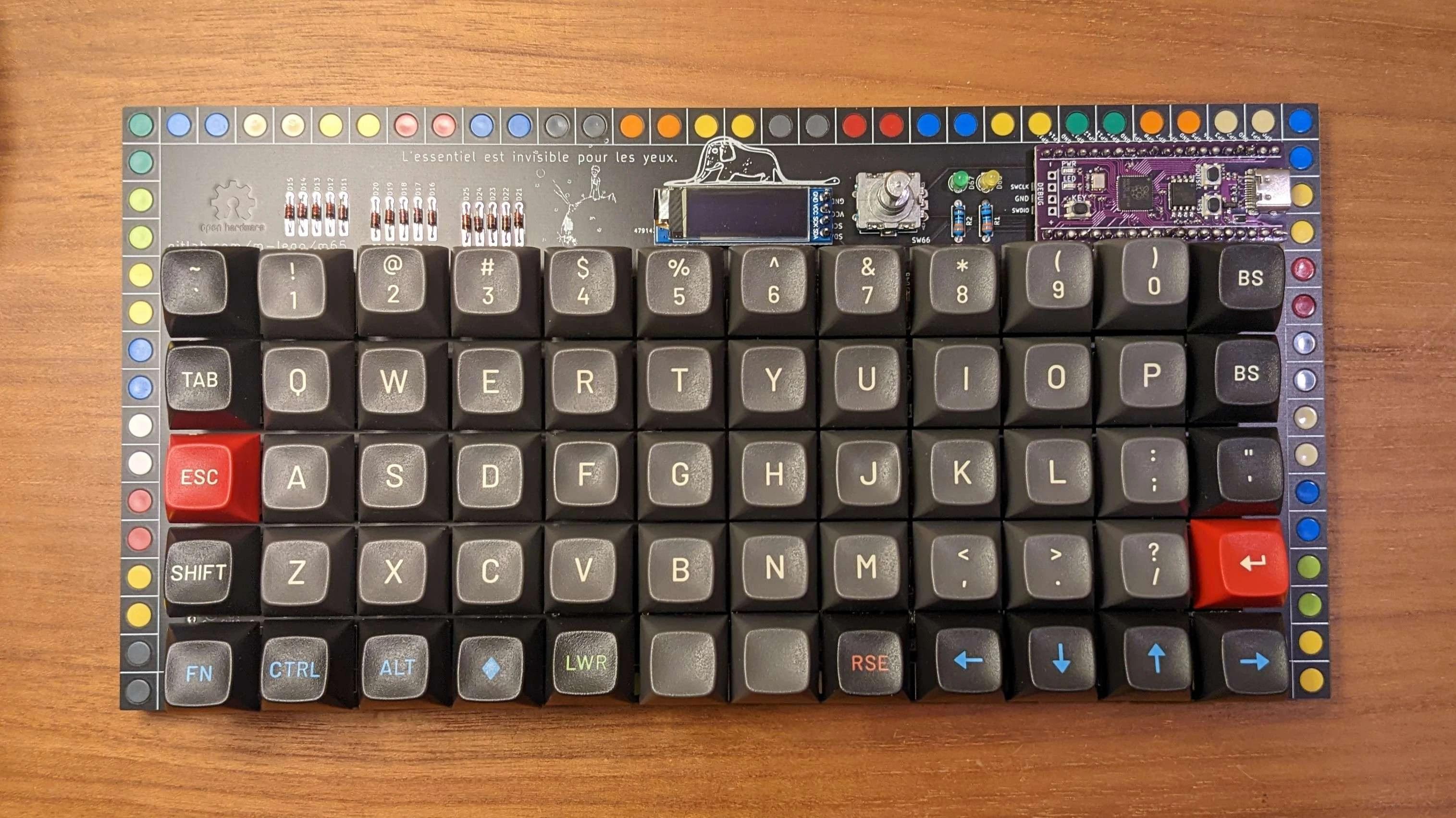
m60 (5×12 Ortho)
Preonic-inspired 60-key 5×12 layout in a LEGO case with rotary encoder, RGB strip, and OLED support.
Hardware Directory
Dedicated sections for POS conversions, mice liberation, and electronics build notes
Vintage POS Conversions
Vintage Tipro mechanical point-of-sale terminals restored with custom STM32 daughterboards.
5 Tipro ModelsLiberated QMK Mice
SteelSeries Prime gaming mouse unlocked via OpenOCD, custom UF2 bootloader, and QMK.
Prime GuideHardware & Build Guides
Assembly guides, SPI shift-register matrix expansion, 3×3 KiCad matrix tutorial, and breakout PCBs.
4 Build GuidesLineup Comparison
Quick side-by-side specs overview
| Model | Layout | Keys | MCU Platform | Firmware | Action |
|---|---|---|---|---|---|
| m66 | 5×14 Ortho | 66 | RP2040 / nice!nano / XIAO | QMK & ZMK | View Page |
| m65 | 5×13 Ortho | 65 | STM32F401 / RP2040 / XIAO | QMK & ZMK | View Page |
| m60 | 5×12 Ortho | 60 | STM32F401 / RP2040 | QMK | View Page |
| m60 Split | 5×12 Split | 60 (2×30) | Dual STM32F401 / 411 | QMK | View Page |
| m48 | 4×12 Ortho | 48 | STM32F401 / F411 | QMK | View Page |
| m20 | 5×4 Pad | 20 | Raspberry Pi Pico (RP2040) | QMK | View Page |